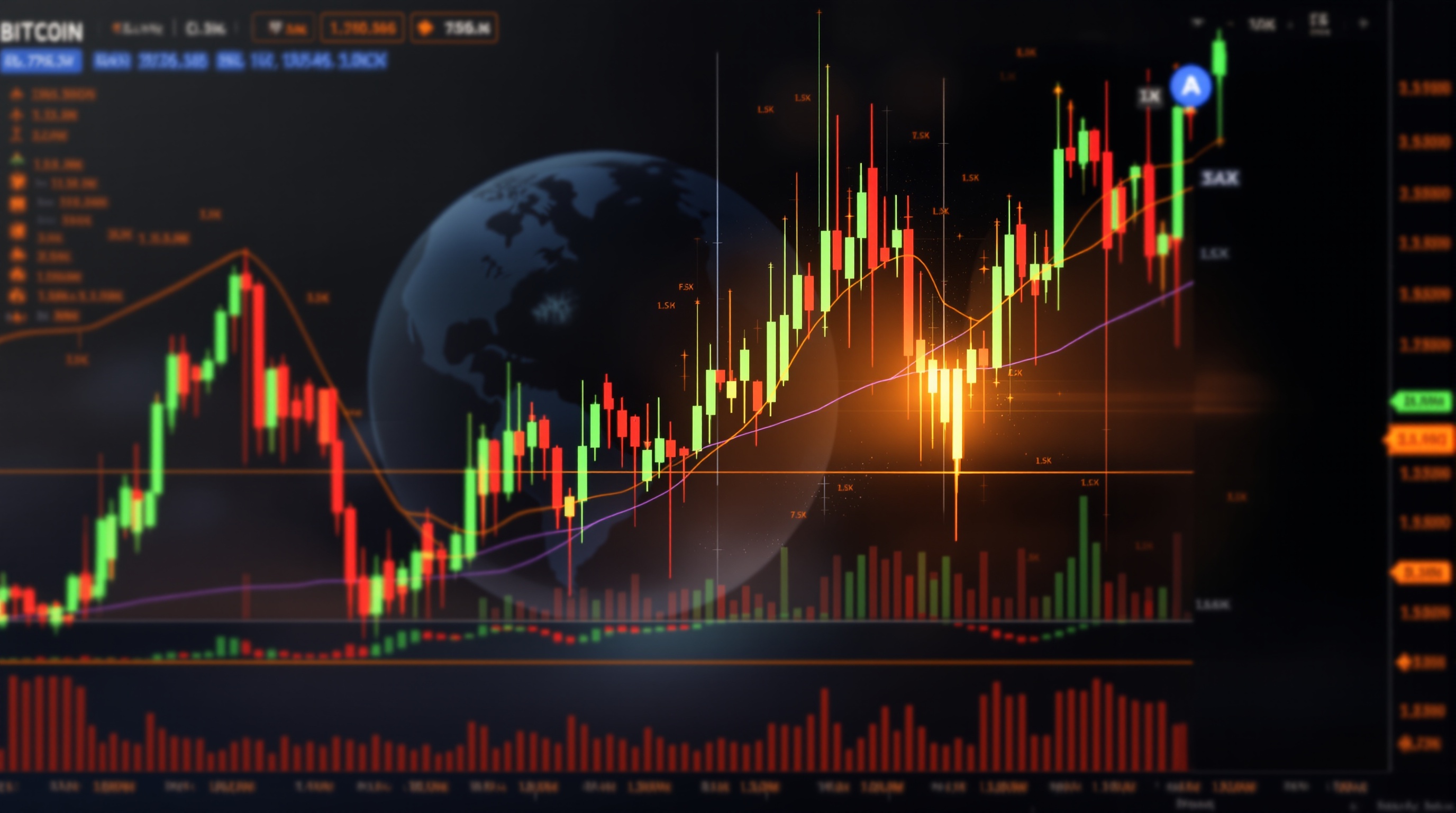
Bitcoin experienced one of its most volatile weeks of 2026, swinging from $68,000 at the open to $72,700 mid-week before retreating back to $71,144 by April 13 - all driven by breaking geopolitical headlines.
Early in the week, war fears over escalating US-Iran tensions in the Middle East and reports of a potential US naval blockade of the Strait of Hormuz dragged BTC toward $68,000. The tide reversed sharply on April 8 when President Trump announced a surprise two-week ceasefire deal, triggering a $4,700 (6.9%) single-day spike to $72,700 and wiping out $340M in short positions across major exchanges including Binance and Bybit.
However, the gains were partially reversed by the weekend as new escalation reports surfaced, pushing BTC back to $71,144. Despite the chaos, on-chain fundamentals remain strong: spot Bitcoin ETFs recorded net inflows on 4 of 5 trading days this week, and total ETF AUM crossed $85 billion for the first time. The surge in institutional buying through spot Bitcoin ETFs continues to act as a structural floor, absorbing macro-driven sell pressure that would have been far more destructive in prior cycles.
The Fear & Greed Index ended the week at 72 - firmly in Greed territory - suggesting market participants are buying the macro dips. Funding rates swung violently from 0.02% to 0.14% and briefly to -0.01% during the selloff, creating rare short-squeeze conditions. As of April 13, funding has normalized to a healthy 0.03-0.05% range across major exchanges.
Analysts are split: bulls point to $73,000 resistance as the key level to break for the next leg to $80,000, while bears warn that unresolved Middle East tensions remain a persistent overhang. For traders using leverage on platforms like Binance or Bybit, the week served as a sharp reminder that geopolitical news-driven moves can trigger liquidations in both directions within minutes - managing position size and monitoring funding rate spikes is essential during macro uncertainty.